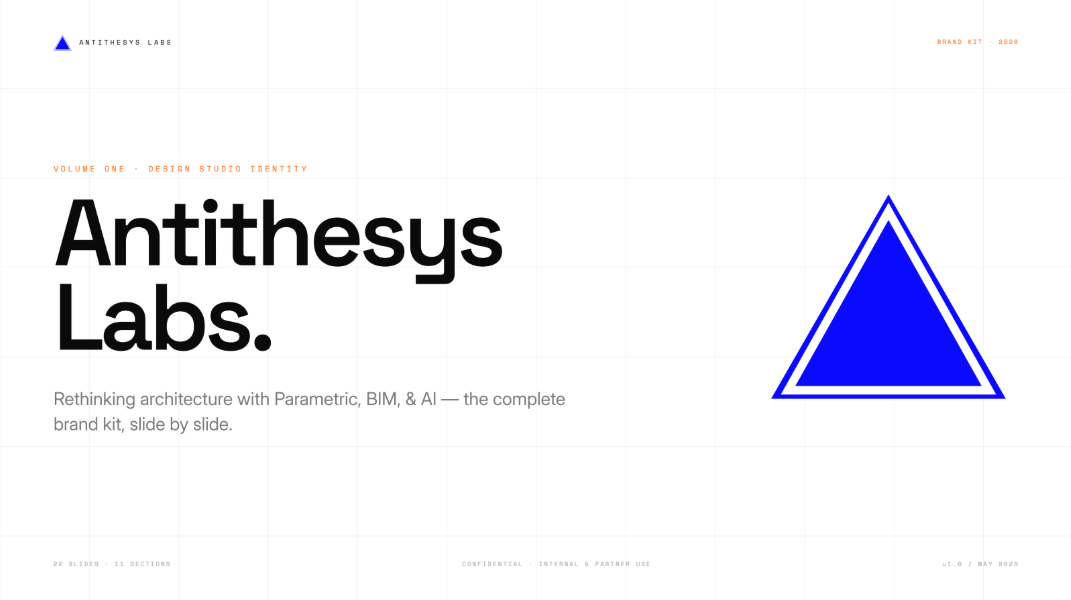
Antithesys Labs
AI is Not the Future of Design. It is Already Here. The use of AI in design and creative industries is no longer a future possibility—it is already a reality. Whether you are an architect, graphic designer, planner, writer, marketer, or entrepreneur, AI is beginning to influence the way ideas are generated, communicated, and executed.
There are strong opinions on both sides of the debate. Some see AI as an opportunity, while others view it as a threat. However, regardless of where one stands, ignoring it is no longer an option. The technology will continue to evolve and become more integrated into everyday workflows. The real question is not whether AI will affect your profession, but whether you will learn how to work with it effectively.
One statement that is increasingly proving true is that AI itself may not replace jobs, but people who know how to use AI effectively will have a significant advantage over those who do not.
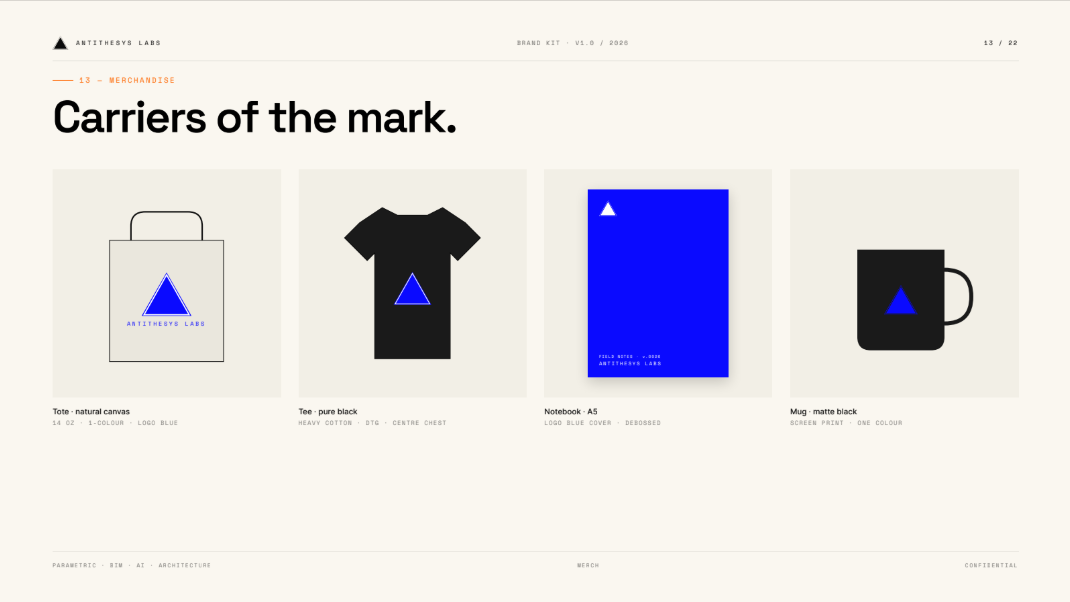
What makes this shift particularly interesting is how accessible these tools have become. Today, with a basic understanding of design principles, a logo, a clear vision, and the ability to communicate effectively with AI, individuals can create branding assets, marketing materials, websites, presentations, and content that previously required a team of specialists.
For small businesses, startups, independent professionals, and one-person companies, this represents a remarkable opportunity. Tasks that once demanded substantial budgets for branding agencies, graphic designers, web developers, and content creators can now be initiated and developed independently. While professional expertise remains invaluable, AI lowers the barrier to entry and enables entrepreneurs to transform ideas into tangible outputs faster and more affordably than ever before.
The most valuable skill in this new landscape is not simply knowing how to use AI tools, but understanding design, communication, and critical thinking well enough to guide them. AI can generate countless options, but human judgment remains essential in deciding what is meaningful, relevant, and effective.
The future may belong not to those who resist AI, nor to those who rely on it blindly, but to those who learn how to collaborate with it intelligently.